
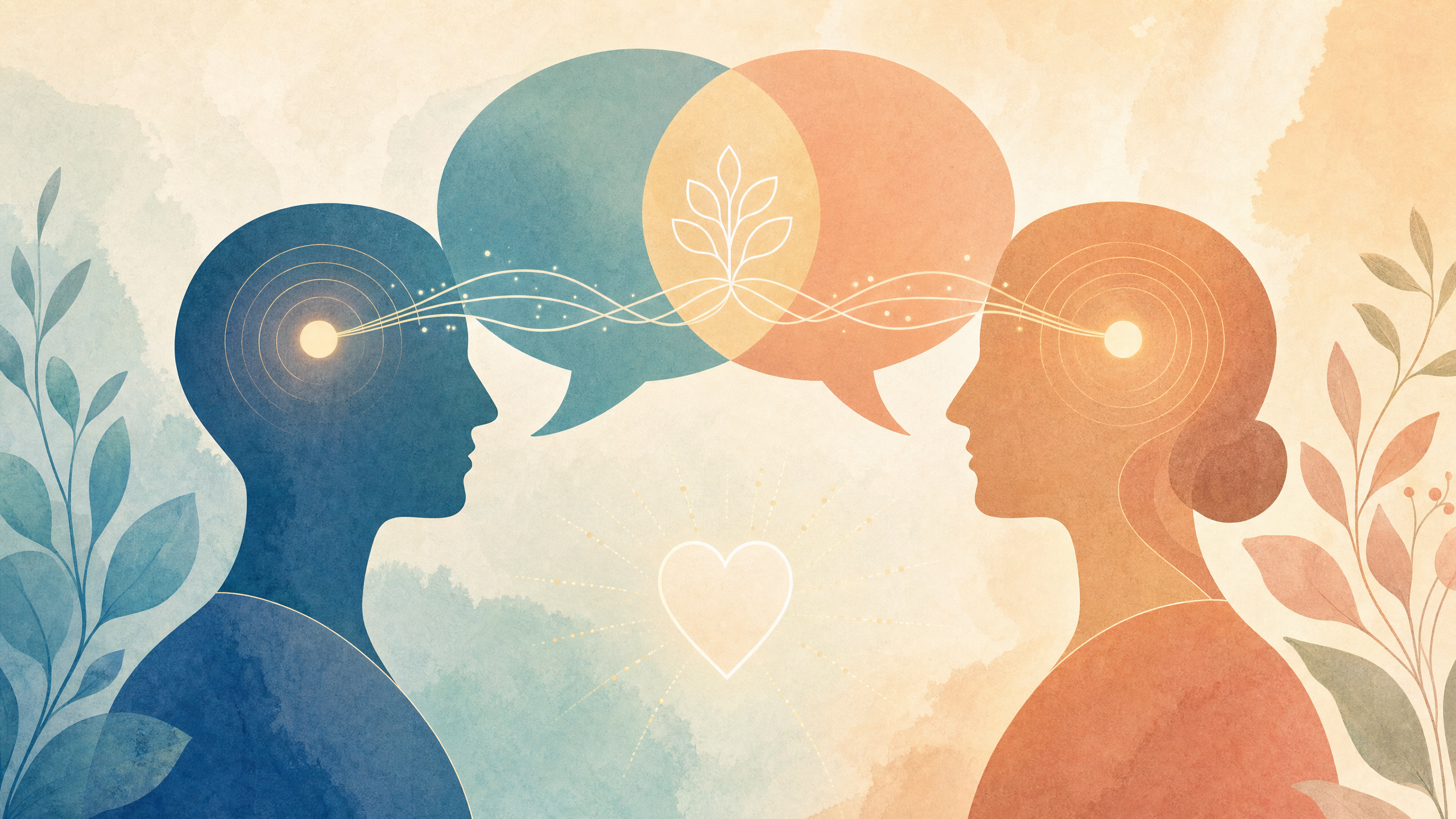
Effective Communication: The Lifeline of Healthy Relationships
Effective Communication: The Lifeline of Healthy Relationships
Introduction
In the intricate tapestry of human connection, relationships stand as fundamental threads, weaving together our lives with shared experiences, emotions, and aspirations. Whether familial, platonic, or romantic, the health and longevity of any relationship hinge significantly on one crucial element: effective communication. It is the bridge that connects hearts and minds, the tool that resolves conflicts, and the foundation upon which understanding and intimacy are built. This article delves into the profound importance of effective communication in fostering healthy relationships, exploring its core components and offering practical strategies to enhance this vital skill.
The Essence of Effective Communication
Effective communication is far more than just exchanging words; it's about truly understanding and being understood. It involves a dynamic interplay of verbal and non-verbal cues, active listening, empathy, and the ability to express one's thoughts and feelings clearly and respectfully. When communication is effective, it creates a safe space for vulnerability, allowing individuals to share their authentic selves without fear of judgment or misunderstanding.
Key Components of Effective Communication:
- Active Listening: Fully concentrating on what is being said, both verbally and non-verbally, without interrupting or formulating a response.
- Empathy: The ability to understand and share the feelings of another, putting yourself in their shoes.
- Clear and Concise Expression: Articulating thoughts and feelings directly and unambiguously.
- Respectful Dialogue: Engaging in conversations with mutual regard, even during disagreements.
- Non-Verbal Cues: Being aware of and interpreting body language, facial expressions, and tone of voice.
Why Effective Communication is the Lifeline of Relationships
Without effective communication, relationships can quickly become strained, leading to misunderstandings, resentment, and emotional distance. Conversely, when communication thrives, relationships flourish in numerous ways:
- Builds Trust and Intimacy: Open and honest communication fosters a deeper sense of trust, allowing partners to feel safe and secure in their vulnerability, which is essential for true intimacy.
- Resolves Conflicts Constructively: Instead of escalating into arguments, disagreements can be navigated with understanding and a focus on finding mutually agreeable solutions, strengthening the relationship rather than weakening it.
- Enhances Understanding and Connection: By sharing thoughts, feelings, and experiences, individuals gain a deeper insight into each other's inner worlds, leading to a stronger emotional bond.
- Prevents Misunderstandings: Clear communication minimizes assumptions and misinterpretations, which are common sources of conflict in relationships.
- Fosters Mutual Growth: When partners can openly discuss their aspirations, fears, and challenges, they can support each other's personal growth and evolve together.
- Increases Emotional Support: The ability to express needs and feelings effectively ensures that partners can provide the comfort and support required during difficult times.
Practical Strategies for Enhancing Communication
Improving communication is an ongoing process that requires conscious effort and practice. Here are actionable strategies to cultivate more effective communication in your relationships:
-
Practice Active Listening: When your partner is speaking, put away distractions, make eye contact, and truly focus on their words. Reflect back what you hear to confirm understanding (e.g., "So, what I hear you saying is...").
-
Use "I" Statements: Instead of accusatory "You" statements (e.g., "You always make me feel..."), use "I" statements to express your feelings and needs (e.g., "I feel [emotion] when [situation] because [reason]"). This reduces defensiveness and promotes understanding.
-
Choose the Right Time and Place: Avoid important discussions when you are stressed, tired, or in a public setting. Find a calm, private moment when both parties can give their full attention.
-
Be Specific and Direct: Avoid vague language or hinting. Clearly articulate what you mean and what you need. For example, instead of "You never help," try "I would appreciate it if you could help with the dishes tonight."
-
Manage Your Emotions: Before engaging in a difficult conversation, take a moment to calm yourself if you're feeling overwhelmed. Emotional outbursts can hinder productive communication. Deep breaths or a short break can help.
-
Pay Attention to Non-Verbal Cues: Be mindful of your own body language and observe your partner's. A closed-off posture, crossed arms, or a dismissive tone can send unintended messages. Ensure your non-verbal communication aligns with your verbal message.
-
Seek Clarification: If you're unsure about something your partner said, ask clarifying questions rather than making assumptions. "Could you explain what you mean by that?" or "Can you give me an example?" can be very helpful.
-
Practice Empathy: Try to understand your partner's perspective, even if it differs from your own. Acknowledge their feelings and validate their experience. "I can see why you would feel that way" can open doors to resolution.
Conclusion
Effective communication is not merely a skill; it is the very lifeline that sustains and enriches healthy relationships. By committing to active listening, empathetic understanding, clear expression, and respectful dialogue, individuals can build stronger bonds, navigate conflicts with grace, and foster an environment of trust and intimacy. Cultivating these communication habits requires continuous effort, but the rewards—deeper connections, mutual growth, and lasting happiness—are immeasurable. Invest in your communication, and you invest in the enduring health of your most cherished relationships.


0 COMMENTS