
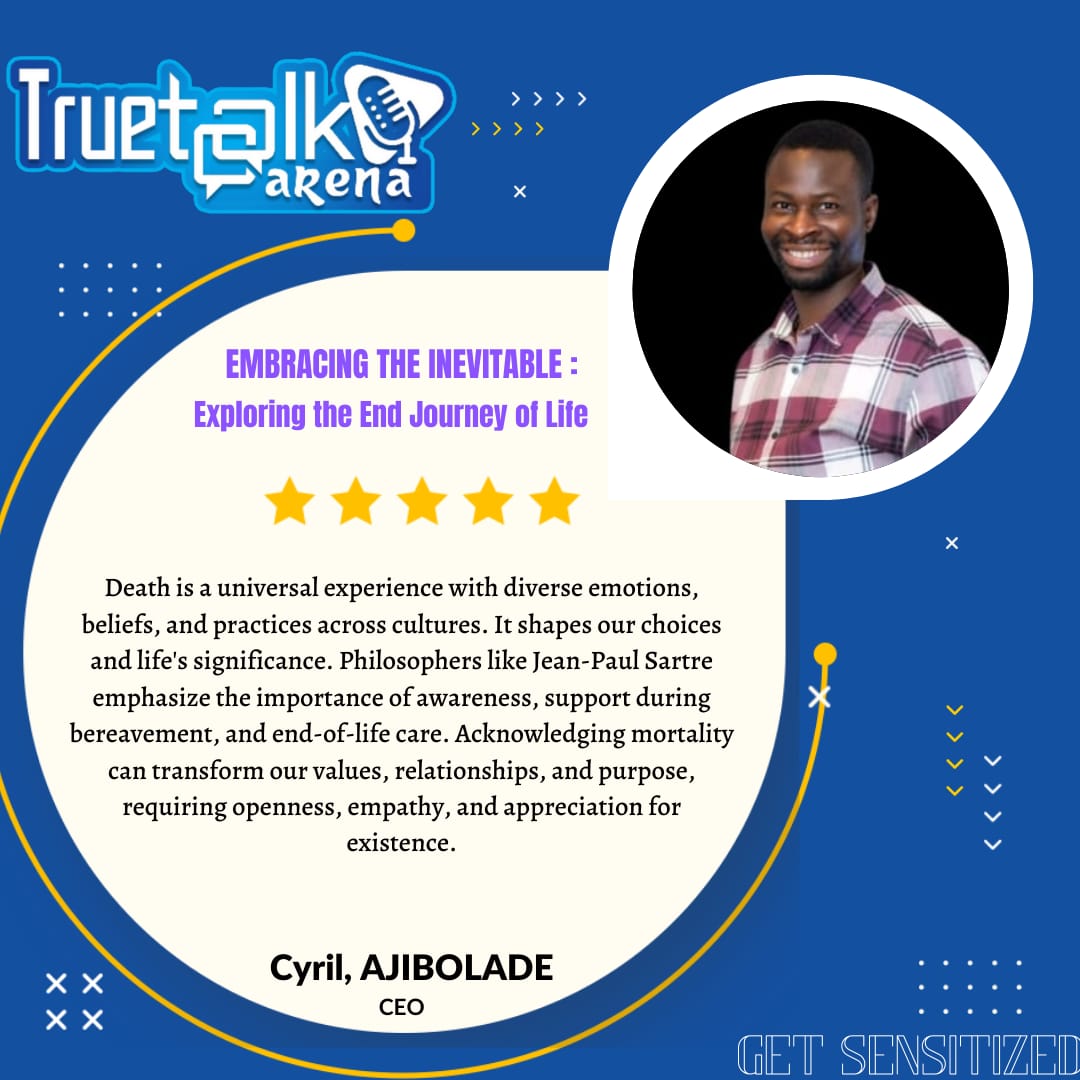
Embracing the Inevitable: Exploring the End Journey of Life
Embracing the Inevitable: Exploring the End Journey of Life
Introduction:
Death, the ultimate destination of our life's journey, is a topic that has intrigued, fascinated, and often frightened humanity throughout history. It is a universal experience that transcends cultures, religions, and ages. In this exploration, we delve into the complexities of death, examining it not merely as an endpoint but as an integral part of the human experience.
The Nature of Death:
Death, defined as the cessation of life, is a profound event that brings with it a myriad of emotions, beliefs, and cultural practices. It is a subject that has been the focus of philosophical inquiries, religious doctrines, and scientific investigations. The nature of death raises questions about the unknown, sparking contemplation about what lies beyond the threshold of life.
Cultural Perspectives:
Across different cultures, death is approached with varying rituals, ceremonies, and beliefs. Some cultures celebrate death as a transition to an afterlife, while others view it as a cyclical part of existence. Exploring these cultural perspectives helps us understand the diversity of human interpretations surrounding the end journey of life.
Philosophical Reflections:
Philosophers have long grappled with the concept of death, pondering its meaning and implications. Existentialist thinkers like Jean-Paul Sartre argue that the awareness of our mortality defines our existence, shaping our choices and giving life its significance. Examining these philosophical reflections encourages us to confront our own beliefs and attitudes toward death.
The Emotional Landscape:
Death evokes a wide range of emotions, from fear and sorrow to acceptance and tranquility. Understanding the emotional landscape surrounding death is crucial for individuals and communities alike. Grief, a natural response to loss, becomes a part of this emotional journey, emphasizing the importance of supporting one another during times of bereavement.
End-of-Life Care and Choices:
In contemporary society, conversations about death extend beyond philosophical and cultural considerations. End-of-life care and choices become crucial aspects of the end journey of life. Examining topics such as advance care planning, hospice care, and the ethical dimensions of medical interventions allows us to navigate the complexities of modern approaches to dying.
Facing Mortality:
Acknowledging our mortality can be a transformative experience. It prompts us to reflect on our values, relationships, and life's purpose. Embracing the reality of death can lead to a more intentional and meaningful life, encouraging us to live authentically and cherish the moments we have.
Conclusion:
The end journey of life is a multifaceted exploration encompassing cultural, philosophical, emotional, and practical dimensions. By engaging with the topic of death, we gain insights into the richness of the human experience and the profound interconnectedness of life and its inevitable conclusion. As we navigate this journey, it is essential to approach death with openness, empathy, and a deep appreciation for the intricate tapestry of existence.

0 COMMENTS