
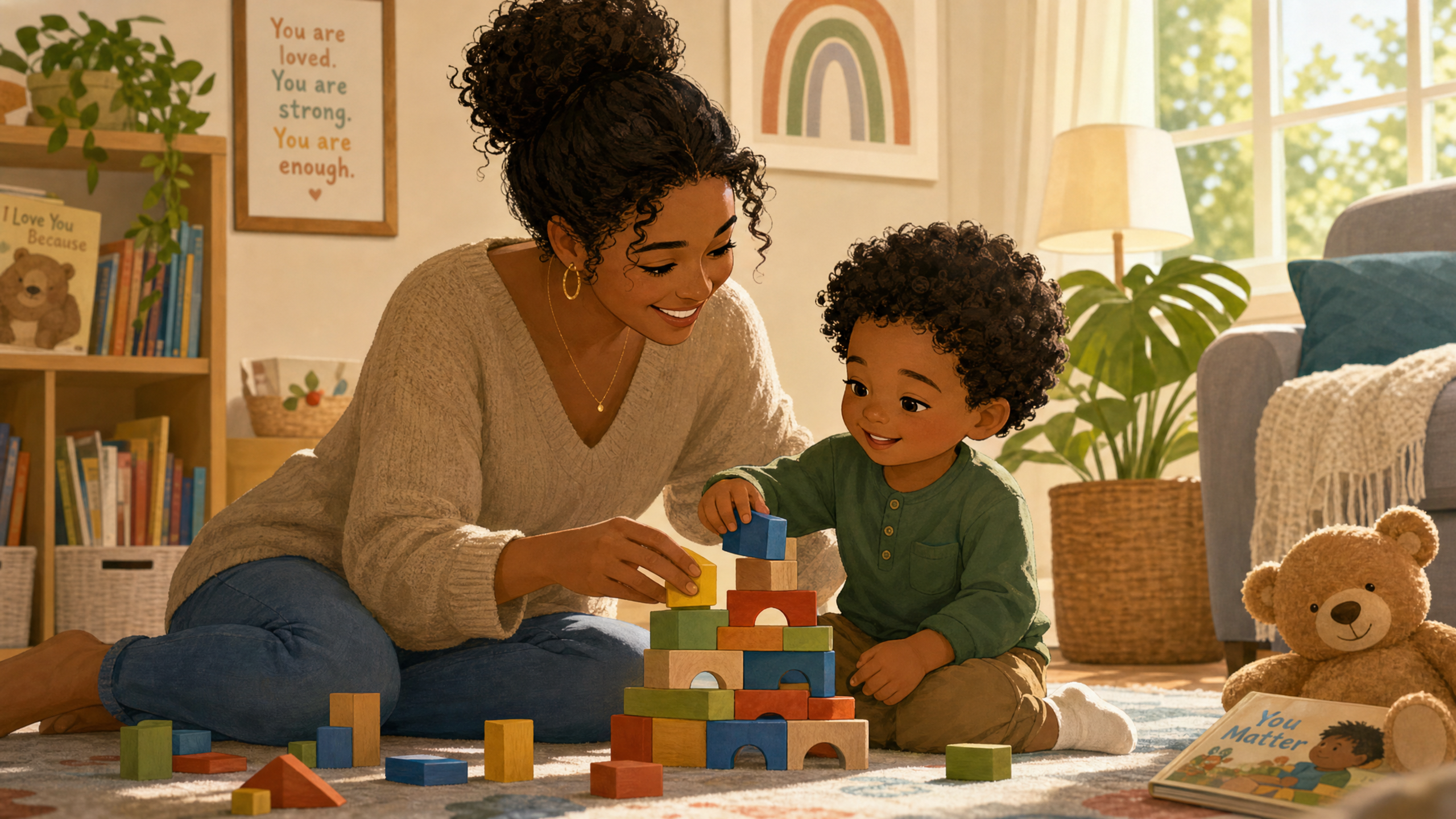
The Art of Positive Discipline: Nurturing Growth Without Conflict
The Art of Positive Discipline: Nurturing Growth Without Conflict
Introduction
Parenting is a journey filled with immense joy, profound challenges, and countless decisions. Among these, discipline stands out as one of the most critical aspects of raising well-adjusted, resilient, and compassionate children. However, traditional approaches to discipline often lean towards punishment, which, while sometimes effective in the short term, can inadvertently damage the parent-child relationship and hinder a child's long-term development. This article explores the principles of positive discipline, a philosophy that focuses on teaching, guiding, and connecting with children, rather than controlling them through fear or coercion.
Understanding Positive Discipline
Positive discipline is an approach to parenting that emphasizes kindness and firmness simultaneously. It's built on the belief that children are more likely to thrive when they feel a sense of belonging and significance. Instead of asking, "How can I make my child do what I want?" positive discipline asks, "How can I teach my child to be capable, confident, and cooperative?" This method recognizes that misbehavior is often a child's way of communicating an unmet need or a lack of understanding, providing an opportunity for teaching rather than simply punishing.
Core Principles of Positive Discipline:
- Mutual Respect: Treating children with the same respect we expect from them, while also respecting ourselves as parents.
- Understanding the 'Why' Behind Behavior: Looking beyond the misbehavior to understand the child's underlying feelings, thoughts, and goals.
- Effective Communication: Fostering open dialogue where children feel heard and understood, and parents can clearly convey expectations.
- Problem-Solving Skills: Teaching children how to resolve conflicts and make responsible decisions.
- Focus on Long-Term Learning: Prioritizing life skills and character development over immediate compliance.
Why Positive Discipline Works
Research and practical experience consistently show that positive discipline yields more enduring and beneficial results than punitive methods. When children are punished, they often focus on the injustice of the punishment or how to avoid getting caught next time. They might develop resentment, fear, or a desire for revenge. In contrast, positive discipline helps children develop:
- Self-Regulation: Learning to manage their own emotions and behaviors.
- Empathy: Understanding the impact of their actions on others.
- Problem-Solving Abilities: Gaining confidence in their capacity to find solutions.
- Resilience: Developing the ability to bounce back from setbacks and learn from mistakes.
- Stronger Relationships: Building a foundation of trust and respect with their parents and others.
Practical Strategies for Positive Discipline
Implementing positive discipline requires patience, consistency, and a shift in perspective. Here are some actionable strategies:
-
Connect Before You Correct: Before addressing misbehavior, take a moment to connect with your child. A hug, a gentle touch, or simply acknowledging their feelings can de-escalate tension and open the door for communication. For example, instead of immediately scolding a child for throwing a toy, you might say, "I see you're frustrated. Let's talk about what happened."
-
Set Clear, Consistent, and Kind Boundaries: Children thrive on structure. Establish clear rules and consequences, and ensure they are consistently enforced. The key is to be firm about the boundaries while being kind in your delivery. Involve children in setting some rules to foster a sense of ownership.
-
Use Encouragement, Not Praise: Praise often focuses on the outcome ("You're so smart!"), while encouragement focuses on effort and improvement ("I see how hard you worked on that!"). Encouragement builds self-esteem and intrinsic motivation.
-
Offer Limited Choices: Giving children choices within acceptable boundaries empowers them and reduces power struggles. Instead of "Do you want to clean your room now?" try "Would you like to clean your room before dinner or after?"
-
Focus on Solutions, Not Blame: When a problem arises, involve your child in finding a solution. Ask, "What do you think we can do to fix this?" or "What did you learn from this?" This teaches responsibility and problem-solving.
-
Time-Out vs. Time-In: Instead of isolating a child for misbehavior, consider a "time-in" where you help them calm down and process their emotions. This can be a quiet corner with comforting items, or simply sitting with them until they regulate.
-
Model the Behavior You Want to See: Children learn by observing. If you want your child to be respectful, calm, and empathetic, demonstrate those qualities in your own interactions.
Conclusion
Positive discipline is more than just a set of techniques; it's a philosophy that views children as capable individuals deserving of respect and guidance. By embracing kindness and firmness, understanding the root causes of behavior, and focusing on teaching life skills, parents can foster an environment where children not only behave well but also develop into confident, compassionate, and responsible adults. It's a challenging but incredibly rewarding path that strengthens family bonds and lays the groundwork for a lifetime of positive relationships.


0 COMMENTS