
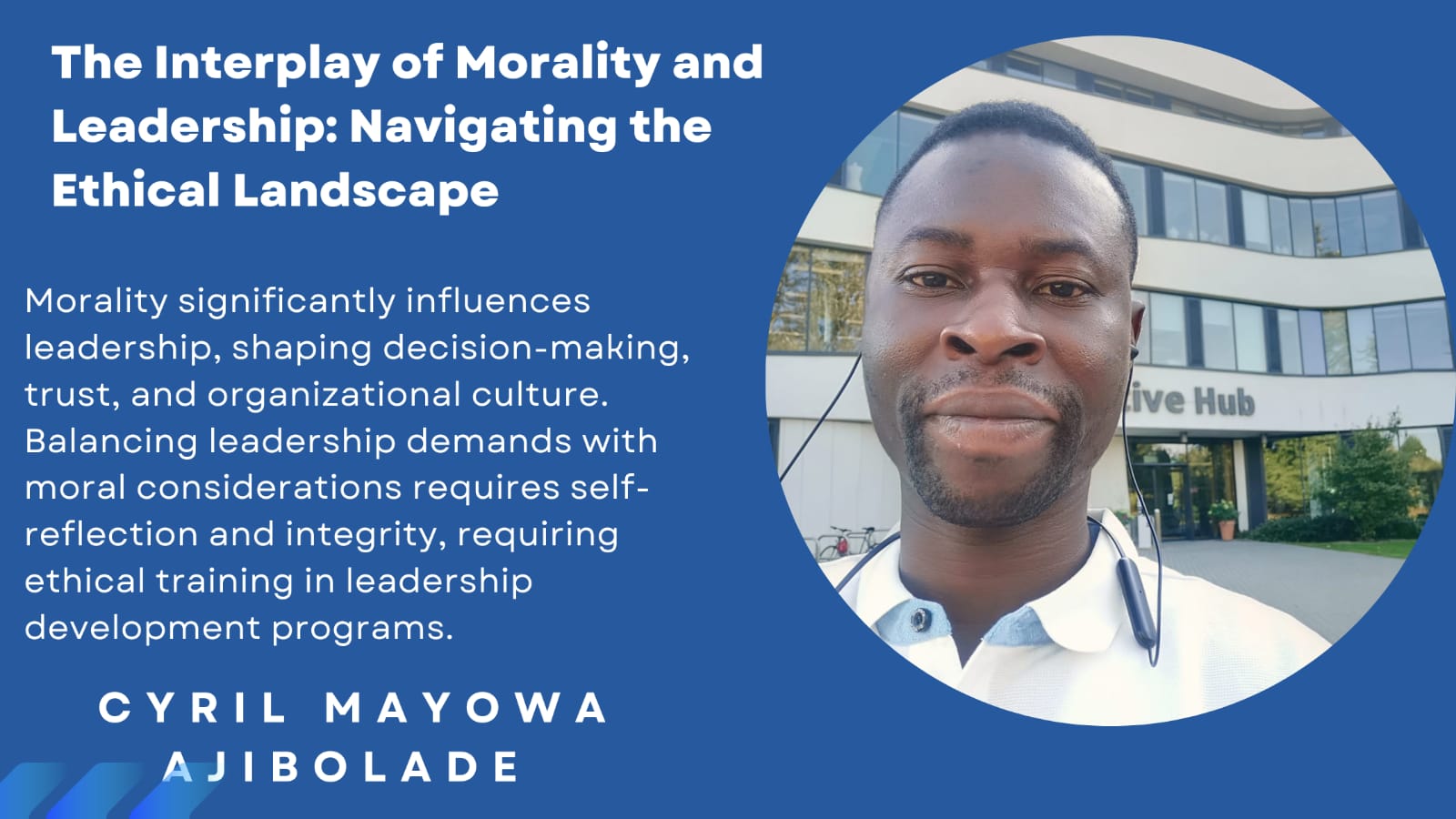
The Interplay of Morality and Leadership: Navigating the Ethical Landscape
The Interplay of Morality and Leadership: Navigating the Ethical Landscape
In the ever-evolving landscape of leadership, the role of morality has become increasingly prominent. Morality, often rooted in principles of right and wrong, has a profound impact on how leaders navigate their responsibilities, make decisions, and shape the culture of their organizations. In this blog post, we will delve into the intricate relationship between leadership and morality, exploring how ethical considerations influence the effectiveness and sustainability of leadership.
The Moral Compass of Leadership
Leadership, at its core, involves guiding individuals or teams towards a common goal. While strategic acumen and decision-making prowess are undeniably crucial, the ethical dimension of leadership cannot be overlooked. A leader's moral compass serves as a guiding force, influencing choices that extend beyond immediate gains to consider the long-term impact on individuals, communities, and society as a whole.
Leaders who prioritize morality in their decision-making process often establish trust and credibility within their teams. In an era where transparency and ethical behavior are valued more than ever, leaders who align their actions with moral principles foster a positive organizational culture that attracts and retains top talent.
Ethical Decision-Making in Leadership
The complex nature of modern business and leadership often presents leaders with ethical dilemmas. These may involve issues such as employee treatment, environmental impact, or social responsibility. How leaders approach and resolve these ethical quandaries can significantly shape their leadership legacy.
Morally conscious leaders engage in a deliberative process when faced with tough decisions. They consider not only the immediate consequences but also the broader implications for stakeholders. Effective ethical decision-making involves weighing the interests of various parties, including employees, customers, and the broader community.
Morality as a Cultural Pillar
Organizational culture is a reflection of leadership values and behaviors. Leaders who prioritize morality contribute to the creation of a positive and ethical organizational culture. This, in turn, influences employee behavior, engagement, and satisfaction.
A morally driven culture promotes collaboration, respect, and a shared sense of purpose. It empowers employees to align their individual actions with the values of the organization, creating a cohesive and harmonious work environment.
The Impact of Immoral Leadership
Conversely, leaders who neglect ethical considerations risk eroding trust and damaging their organizations. Instances of unethical behavior, whether in the form of dishonesty, discrimination, or disregard for societal values, can have far-reaching consequences. Such actions may lead to legal troubles, reputational damage, and a decline in employee morale.
The repercussions of immoral leadership extend beyond the organizational realm, affecting how the public perceives the business. In today's interconnected world, where information travels rapidly through various channels, the actions of leaders are under constant scrutiny. Companies with a tarnished ethical reputation may struggle to recover public trust.
Striking a Balance: Leadership and Morality
Balancing the demands of leadership with moral considerations is an ongoing challenge. Leaders must navigate the complexities of decision-making while upholding a commitment to ethical behavior. This requires continuous self-reflection, a willingness to learn from mistakes, and a dedication to fostering a culture of integrity.
Leadership development programs that incorporate ethical training can play a pivotal role in equipping leaders with the tools to navigate moral challenges. By fostering a strong moral foundation, these programs empower leaders to make principled decisions that contribute to the long-term success and sustainability of their organizations.
Conclusion
In the dynamic landscape of leadership, morality is a guiding force that shapes the character of individuals and organizations alike. Morally conscious leaders not only foster positive organizational cultures but also contribute to the greater good of society. As we navigate the challenges of the future, the interplay between leadership and morality will continue to be a critical determinant of success and sustainability.


0 COMMENTS